


Highlights
- Modern cloud certifications test real engineering thinking, not memorization.
- Certifications like AWS Solutions Architect, CKA, CKAD, and CKS focus on architecture, troubleshooting, and automation.
- The most effective preparation combines tutorials, hands-on labs, and real deployment scenarios.
- A strong learning path starts with cloud fundamentals, then moves to containers, Kubernetes, and DevOps workflows.
- KodeKloud tutorials, playlists, and notes provide structured learning that mirrors real cloud engineering environments.
The Reality of Cloud Certifications in 2026
Most engineers start preparing for cloud certifications the same way.
They open a few tutorials, watch hours of videos, take notes, and feel confident. But then something unexpected happens when they open their first practice exam.
The questions don’t look like what they studied.
Instead of asking simple definitions or commands, the exam asks things like:
- Why did this deployment fail?
- How would you scale this architecture?
- Which service should you choose for this scenario?
- What is the best way to secure this workload?
Suddenly, it becomes clear that modern cloud certifications are not testing memorization, they are testing how you think as a cloud engineer.
And that’s exactly how things should be.
Cloud environments today are far more complex than they were just a few years ago. Engineers are expected to understand distributed systems, container platforms, automation, infrastructure as code, and observability. Certifications have evolved to reflect this reality.
For example, certifications like AWS Solutions Architect, AWS DevOps Engineer, CKA, CKAD, and CKS increasingly focus on real-world architecture decisions and troubleshooting skills rather than simple theory.
This creates a problem many learners experience.
A lot of tutorials explain what a service is, but they rarely show how engineers actually use these tools together in real systems.
That’s why the best tutorials today are not just explanations, they are hands-on learning experiences that simulate real cloud engineering workflows.
In this article, we’ll explore the kinds of cloud tutorials that actually prepare engineers for cloud certifications in 2026, and how learning through practical environments, like the hands-on tutorials available on platforms such as KodeKloud, can make a huge difference in your preparation.
What Cloud Certifications Actually Test Today
Many engineers assume cloud certification exams test how well you remember commands or definitions.
That used to be partly true years ago.
But modern certifications are very different. Today, most cloud and DevOps certifications are designed to measure how well you understand real cloud systems.
For example, when you take certifications like AWS Solutions Architect, AWS DevOps Engineer, Certified Kubernetes Administrator (CKA), or Certified Kubernetes Application Developer (CKAD), the questions rarely ask basic definitions. Instead, they focus on scenarios.
You may see questions like:
- A Kubernetes deployment keeps failing. What could be the cause?
- Your application traffic suddenly increases. How would you scale the system?
- A microservice cannot connect to a database. What should you check first?
- Which architecture would reduce downtime and improve reliability?
These questions test something deeper than theory. They test whether you understand how cloud infrastructure behaves in real situations.
Modern cloud certifications usually evaluate several important skill areas.
Cloud architecture understanding
Engineers must know how services interact with each other. For example, how load balancers work with compute services, or how storage layers support applications.
Containers and Kubernetes
Many modern applications run inside containers. Because of this, certifications increasingly expect engineers to understand container orchestration platforms such as Kubernetes.
Infrastructure as Code
Tools like Terraform and CloudFormation are now standard in cloud environments. Engineers are expected to know how infrastructure can be defined, versioned, and deployed using code.
CI/CD automation
Continuous integration and continuous delivery pipelines are a core part of modern DevOps practices. Certification exams often include questions about automating builds, testing, and deployments.
Security and observability
Engineers must understand identity management, access control, logging, and monitoring. These topics are critical for running reliable and secure cloud systems.
This shift explains why some tutorials do not fully prepare learners for certification exams. Many tutorials focus on explaining individual tools but do not show how these tools work together in real engineering workflows.
That is why the most effective tutorials today combine explanations with hands on labs and real scenarios. Instead of just watching someone configure a service, learners practice building, deploying, and troubleshooting cloud environments themselves.
Platforms such as KodeKloud tutorials and labs focus heavily on this approach. They guide learners through real environments where they can experiment with Kubernetes clusters, cloud services, and DevOps pipelines instead of only watching videos.

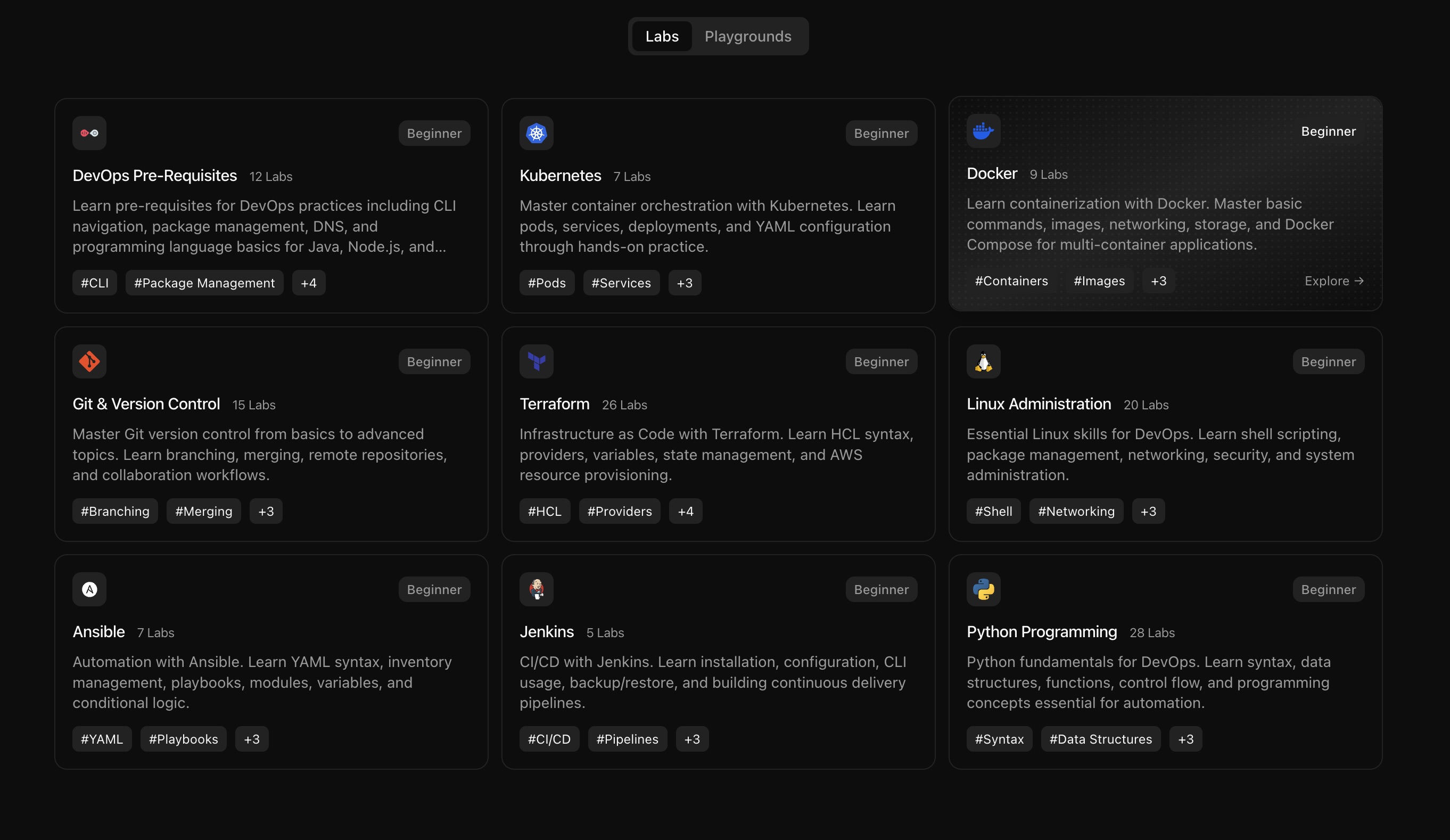
This kind of practical learning is much closer to what certification exams expect from engineers.
Cloud Tutorials That Actually Prepare You for Certifications
Not all tutorials prepare you for cloud certifications.
Some tutorials only explain what a tool is. They walk through commands and basic examples. This helps at the beginning, but certification exams expect something more. They expect you to understand how cloud technologies work together in real systems.
The tutorials that truly help engineers prepare for certifications usually fall into three important categories.
Tutorials that teach cloud and container foundations
Before diving into complex cloud architecture, engineers need to understand the basics.
Concepts like containers, container runtimes, and application packaging are essential in modern cloud environments. Many cloud native applications are built using containers, and understanding them makes it easier to learn Kubernetes and cloud orchestration tools.
A good starting point is learning how containers work and how Kubernetes manages them. For example, this beginner friendly tutorial introduces Kubernetes and explains how containers are used to run modern applications:
Kubernetes For Beginners : Docker Intro
If you prefer written learning, KodeKloud Notes also provides a structured introduction to Kubernetes and container orchestration concepts that engineers encounter in real cloud environments:


Understanding these fundamentals makes advanced topics like Kubernetes architecture and microservices much easier to grasp.
Tutorials that teach Kubernetes and cloud native architecture
Today, many cloud certifications assume engineers understand Kubernetes. Even certifications that are not Kubernetes specific often include questions related to container orchestration.
This is because Kubernetes has become a standard platform for deploying and managing cloud applications.
A practical way to learn this is through tutorials that show how real applications are deployed in Kubernetes clusters. For example, this Kubernetes crash course walks through building a microservice application and deploying it on Kubernetes:
Kubernetes Crash Course
Hands on tutorials like this help engineers understand important concepts such as pods, replicas, and service networking.
KodeKloud Notes also explains Kubernetes architecture in a very clear way, covering components like nodes, clusters, and control plane services:

These are exactly the types of concepts that appear frequently in certification exams like CKA and CKAD.
Tutorials that focus on hands on learning
One thing experienced engineers quickly realize is that watching tutorials alone is not enough.
Real learning happens when you practice building and troubleshooting systems.
Hands on tutorials allow engineers to deploy applications, configure clusters, and fix problems in real environments. This experience helps build the kind of problem solving skills that certification exams often test.
KodeKloud tutorials are designed around this approach. Their learning model combines video explanations with interactive labs where engineers can experiment with real Kubernetes and cloud environments directly in the browser.
This style of learning helps bridge the gap between theory and real engineering practice.
A Practical Learning Path for Cloud Certifications in 2026
Preparing for cloud certifications becomes much easier when you follow a clear learning path. Many engineers struggle not because the topics are too difficult, but because they try to learn everything at the same time.
A structured approach helps you build knowledge step by step.
Here is a practical path many successful cloud and DevOps engineers follow when preparing for certifications.
Start with cloud fundamentals
Every certification builds on core cloud concepts.
Engineers should understand compute services, networking, storage, and identity management before moving into advanced topics. These fundamentals appear in almost every certification exam, including AWS Solutions Architect and Azure Administrator certifications.
However, learning these topics through theory alone can feel confusing. The best tutorials explain cloud concepts by building something real.
A great example is learning cloud fundamentals by creating a photo sharing application step by step. This approach helps engineers understand how services interact with each other in a real system instead of learning them in isolation.
This hands on tutorial from KodeKloud is a great starting point:
The tutorial walks through building a simple photo sharing application while explaining the core cloud concepts behind it. By seeing how compute, storage, networking, and application components work together, learners develop a much stronger understanding of how cloud platforms operate in real environments.
Learning through practical examples like this makes it much easier to understand architecture questions that appear in certification exams.
For engineers preparing for their first certification, another great starting point is the AWS Cloud Practitioner learning playlist from KodeKloud.
This playlist covers the core topics expected in the AWS Certified Cloud Practitioner certification, including cloud computing basics, networking concepts, compute services, storage services, IAM, and AWS architecture principles.
The videos are short, practical, and designed to help learners quickly understand how AWS services are used in real cloud environments.
Starting with these kinds of tutorials helps engineers build a strong foundation before moving on to more advanced topics like Kubernetes, DevOps pipelines, and cloud architecture.
Learn containers and application packaging
Once you understand cloud fundamentals, the next important step is learning containerization.
Containers have become a standard way to package and run applications in modern cloud environments. Instead of installing dependencies manually on servers, developers package applications together with everything they need to run. This makes applications portable and consistent across environments.
Tools like Docker made containerization practical for everyday engineering work. Docker allows developers and DevOps engineers to build images, run containers, and manage application environments in a predictable way.
For engineers preparing for cloud certifications, understanding containerization is extremely important. Many modern cloud architectures rely on containers, and platforms like Kubernetes use containers as the foundation for deploying applications.
A great place to learn this is through the KodeKloud containerization and Docker tutorial series:
This playlist explains containerization concepts step by step and introduces Docker in a very practical way. It covers topics such as:
- What containers are and why they are useful
- How Docker images and containers work
- Running applications inside containers
- Managing container networking and storage
- Building container images using Dockerfiles
The tutorials focus on hands-on learning so engineers can understand how containerized applications behave in real environments. Many DevOps workflows today rely on Docker to package applications before deploying them to Kubernetes clusters or cloud platforms.
Once you understand containerization, moving into Kubernetes and cloud native deployments becomes much easier.
Learn Kubernetes with KodeKloud Tutorials
After learning containers, the next important step for cloud engineers is understanding Kubernetes.
Kubernetes has become the standard platform for running containerized applications at scale. Most modern cloud environments use Kubernetes to manage deployments, scale applications, and maintain reliability. Because of this, Kubernetes knowledge is now expected in many cloud and DevOps certifications.
Certifications such as Certified Kubernetes Administrator (CKA) and Certified Kubernetes Application Developer (CKAD) focus heavily on Kubernetes concepts. Even cloud certifications like AWS Solutions Architect or DevOps Engineer often include questions related to container orchestration and Kubernetes-based architectures.
Learning Kubernetes can feel overwhelming at first because there are many components involved. Engineers need to understand concepts such as pods, deployments, services, networking, and cluster architecture.
This is where structured tutorials help a lot.
KodeKloud provides beginner friendly Kubernetes tutorials that explain these concepts step by step while also demonstrating how applications are deployed inside a cluster.
These tutorials walk through core Kubernetes concepts such as:
- Understanding Kubernetes clusters and nodes
- Deploying applications using pods and deployments
- Exposing applications using services
- Scaling applications and managing workloads
Along with video tutorials, KodeKloud Notes also provide clear explanations of Kubernetes architecture and concepts that appear frequently in certification exams:
https://notes.kodekloud.com/docs/kubernetes-for-the-absolute-beginners-hands-on-tutorial
Studying Kubernetes using structured tutorials like these helps engineers understand how containerized applications are deployed and managed in real cloud environments.
Once engineers become comfortable with Kubernetes concepts, they can move into more advanced topics such as automation, CI/CD pipelines, and infrastructure management, which are essential for modern DevOps workflows and cloud certifications.
Practice real world DevOps workflows
Once you understand cloud fundamentals, containers, and Kubernetes, the next step is learning how everything works together in real engineering workflows. This is where DevOps practices become essential.
DevOps is not a single tool or platform. It is a set of practices that help teams build, test, and deploy applications faster and more reliably. Modern cloud environments rely heavily on DevOps workflows to automate infrastructure, manage deployments, and maintain system reliability.
Many cloud certifications now expect engineers to understand DevOps concepts such as continuous integration, continuous delivery, automation, and monitoring. Engineers are often tested on how systems move from development to production in a reliable and repeatable way.
This is why learning DevOps through practical tutorials is extremely valuable.
KodeKloud provides a DevOps tutorial series that introduces the core DevOps concepts and tools used in modern engineering environments. You can explore the playlist here:
These tutorials explain key DevOps ideas in a simple and practical way, including topics such as:
- Understanding the DevOps culture and workflow
- Continuous integration and continuous delivery concepts
- Automation in modern software delivery
- Infrastructure management and deployment pipelines
The videos are designed to help engineers see how cloud platforms, containers, Kubernetes, and automation tools come together to support modern application development.
When engineers combine cloud knowledge with containerization, Kubernetes orchestration, and DevOps automation, they develop the exact skill set that many cloud certifications are designed to validate.
This structured learning path also reflects how real engineering teams work today. Applications are built using containers, deployed on Kubernetes, and delivered through automated DevOps pipelines running on cloud infrastructure.
By following tutorials that cover these areas step by step, engineers can build both the knowledge and practical understanding needed to succeed in cloud certification exams and real cloud engineering roles.
Final thoughts
Cloud certifications are valuable because they represent real engineering skills.
But passing them requires more than watching tutorials or memorizing commands. The best preparation comes from learning how cloud systems behave in real environments and practicing how to design, deploy, and troubleshoot them.
When tutorials include real scenarios, hands on labs, and clear explanations of modern cloud architectures, they prepare engineers not only for certification exams but also for the challenges they will face in real cloud engineering roles.
And that is the kind of learning that truly makes a difference in 2026 and beyond.
FAQs
Q1: What is the best way to prepare for cloud certifications in 2026?
The best way is to combine theoretical learning with hands-on practice. Engineers should start with cloud fundamentals, then learn containerization, Kubernetes, and DevOps workflows. Practicing real scenarios through labs and deployment tutorials helps build the problem-solving skills certification exams require.
Q2: Are tutorials enough to pass cloud certification exams?
Watching tutorials alone is usually not enough. Modern certifications test real-world scenarios such as troubleshooting deployments, scaling systems, and designing cloud architectures. Hands-on labs and practical exercises are essential for building these skills.
Q3: Which certifications should cloud engineers consider in 2026?
Popular certifications include AWS Solutions Architect, AWS DevOps Engineer, Certified Kubernetes Administrator (CKA), Certified Kubernetes Application Developer (CKAD), and Certified Kubernetes Security Specialist (CKS). These certifications focus on cloud architecture, container orchestration, automation, and security.
Q4: Why is Kubernetes important for cloud certifications?
Kubernetes is widely used to manage containerized applications in cloud environments. Many organizations deploy applications using Kubernetes, so certification exams often include questions related to container orchestration, scaling, networking, and cluster architecture.


Discussion